
Psoriasis Treatment in Pune | Best Psoriasis Specialist | Skinessence Aesthetics
Expert Psoriasis Treatment in Pune for Healthy, Clear Skin
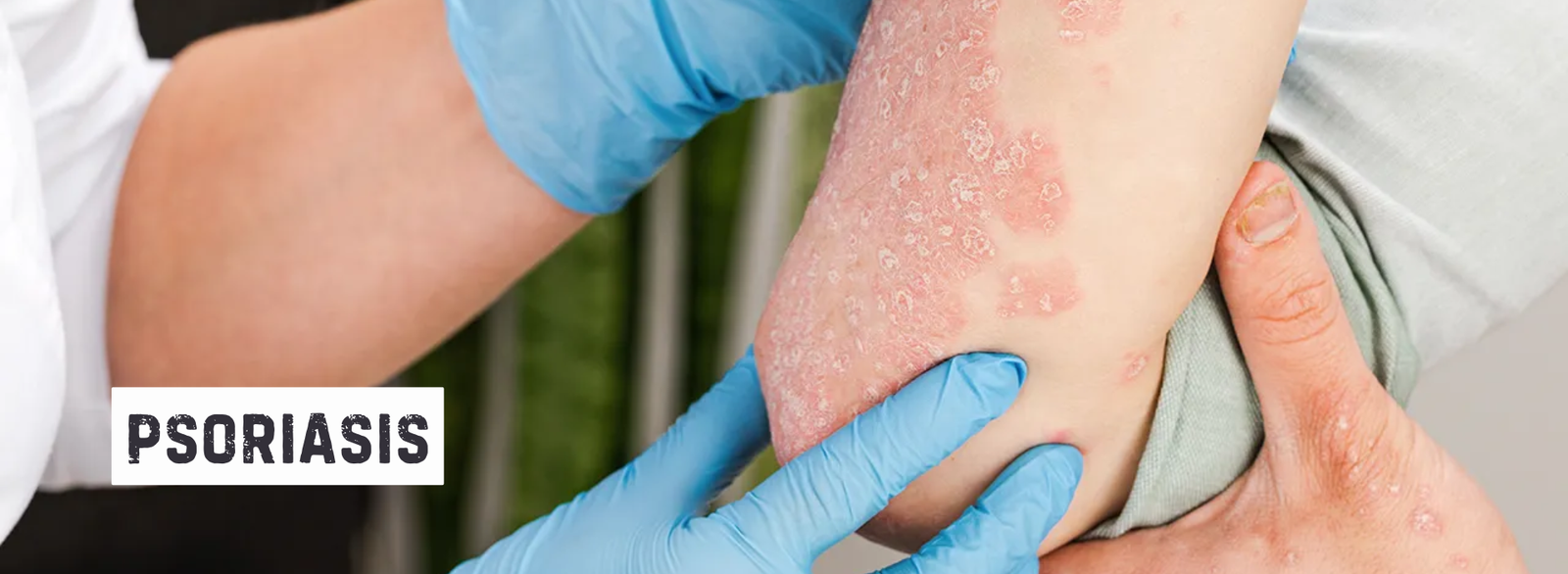
Psoriasis is a chronic autoimmune skin condition that causes skin cells to multiply faster than normal, leading to the formation of thick, red, scaly patches on the skin. These patches can be itchy, uncomfortable, and sometimes painful, affecting both physical comfort and self-confidence.
At Skinessence Aesthetics Clinic, Pune, our experienced dermatologists provide advanced psoriasis treatment tailored to each patient’s unique skin condition. We focus on controlling symptoms, reducing flare-ups, improving skin health, and enhancing overall quality of life.
What is Psoriasis?
Psoriasis is a long-term inflammatory skin disorder that occurs when the immune system mistakenly triggers rapid skin cell production. Instead of shedding normally, skin cells accumulate on the surface, forming raised, red plaques covered with silvery scales.
Psoriasis is not contagious, but it can significantly impact daily life if left untreated.
Types of Psoriasis:
Plaque Psoriasis
The most common type, characterized by raised red patches covered with silvery-white scales.
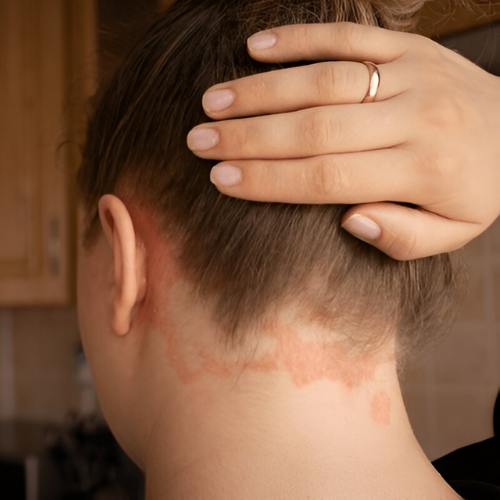
Scalp Psoriasis
Affects the scalp and may cause itching, flaking, and redness.
Guttate Psoriasis
Appears as small, drop-shaped lesions often triggered by infections.
Inverse Psoriasis
Occurs in skin folds such as the armpits, groin, and under the breasts.
Pustular Psoriasis
Characterized by white pustules surrounded by red skin.
Erythrodermic Psoriasis
A rare but severe form that causes widespread redness and inflammation.
Common Symptoms of Psoriasis
You may be experiencing psoriasis if you notice:
- Red patches of skin covered with silvery scales
- Dry, cracked skin that may bleed
- Persistent itching or burning sensation
- Thickened or ridged nails
- Scalp flaking and dandruff-like symptoms
- Joint pain and stiffness (Psoriatic Arthritis)
- Skin irritation and inflammation
- Recurrent skin flare-ups
Symptoms can range from mild to severe and may vary between individuals.
Causes and Triggers of Psoriasis
While the exact cause of psoriasis is not fully understood, common triggers include:
- Genetic predisposition
- Immune system dysfunction
- Emotional stress
- Skin injuries or trauma
- Infections
- Smoking
- Alcohol consumption
- Certain medications
- Weather changes
- Obesity
Identifying and managing triggers is an important part of long-term psoriasis control.
Our Approach to Psoriasis Treatment
At Skinessence Aesthetics Clinic, we provide comprehensive psoriasis management using evidence-based dermatological treatments.
Detailed Skin Assessment
Our dermatologists perform a thorough evaluation of your skin condition, medical history, symptoms, and trigger factors before developing a personalized treatment plan.
Topical Treatments
Prescription creams, lotions, and medicated ointments help:
- Reduce inflammation
- Control itching
- Slow excessive skin cell growth
- Improve skin appearance
Phototherapy (Light Therapy)
Controlled ultraviolet (UV) light therapy may be recommended to:
- Reduce skin inflammation
- Slow abnormal skin cell production
- Improve moderate to severe psoriasis symptoms
Oral and Injectable Medications
For moderate to severe psoriasis, advanced medications may be prescribed to regulate the immune response and reduce disease activity.
Lifestyle and Dietary Guidance
Our holistic care approach includes:
- Stress management techniques
- Healthy skincare practices
- Nutritional guidance
- Lifestyle modifications to minimize flare-ups
Long-Term Psoriasis Management
Psoriasis is a chronic condition that requires ongoing care. We help patients develop sustainable treatment strategies for long-term symptom control.
Frequently Asked Questions
No, psoriasis is not contagious. It is an autoimmune condition and cannot be passed from person to person.
There is no permanent cure for psoriasis, but symptoms can be effectively managed with the right treatment.
Common triggers include stress, infections, injury to the skin, certain medications, and environmental factors.
The time to see improvements varies depending on the severity and type of treatment, but most patients notice relief within a few weeks.
Yes, some people find that dietary changes help reduce symptoms. A balanced diet, low in inflammatory foods, may be beneficial.
For more information or to book an appointment, contact Skinessence Aesthetics today!